

7 Things You Should Never Feel Afraid to Tell Your Nail Technician
Most people have thought after getting their nails done, “I wish I had said something.” Maybe the nails were a little longer than you wanted. Maybe the polish looked different after it was done, or maybe one nail was uncomfortable when being filed. You noticed the problem, considered speaking up, but then decided to stay silent because you were too shy to say anything.
You are not being difficult when it comes to explaining what you need. Clear communication helps the nail technician understand your preferences, protects your comfort, and allows for timely adjustments. During each manicure, you should feel comfortable discussing the length, shape, color, any discomfort, your daily routine, reference pictures, and anything else that was not quite right. A thoughtful technician will appreciate hearing your feedback during the service rather than learning afterward that you were disappointed.
1. “I’d Like My Nails a Little Shorter”
Words such as “short,” “medium,” and “long” can mean different things to different people. Instead of relying only on those descriptions, show your technician exactly where you would like the nail to end. It is best to confirm the length after the initial shaping and before color or detailed nail art begins. Hold your hand naturally, look at the nails from the front and side, and imagine using them throughout a normal day.
Consider whether you regularly:
- Type on a keyboard
- Wear contact lenses
- Work with children
- Lift weights
- Handle small tools
- Open packages
- Perform hands-on work
A length that looks beautiful in a photo may not feel practical in your daily routine. Asking for a small adjustment early is easier than trying to adapt to uncomfortable nails later.
2. “This Color Isn’t Quite What I Expected”
Polish colors can look different on a phone screen, on a sample swatch, and on your actual nails. Salon lighting, screen brightness, skin tone, the number of coats, and the color underneath can all affect the final result.
A nude shade may appear more pink or brown once applied. A pale white may look sheer and milky instead of fully opaque. Glitter, chrome, cat-eye, jelly, matte, and glossy finishes can also change how the same color feels.
Before the full manicure is completed, ask to see the first painted nail. If the shade is not what you expected, say so politely and promptly. You might say, “I like the color family, but I was hoping for something a little warmer,” or, “Could we compare this with a more opaque shade before continuing?” That small conversation can prevent ten nails from being finished in a color you never truly wanted.
3. “Can We Adjust the Shape?”
Square, round, squoval, oval, almond, coffin, and stiletto shapes create very different results. Even within one shape, there can be variations. One person may picture a soft almond nail with a rounded point. Another may expect a narrower, sharper almond. The same misunderstanding can happen with square nails, especially when deciding between crisp corners and a softer squoval finish.
Check the shape before polish is applied. Look at both hands together rather than judging one nail at a time. Pay attention to whether the nails appear even, balanced, and suitable for your natural nail beds.
You do not need to know the professional name of every shape. Simple directions work well:
- “Could the tip be slightly rounder?”
- “I would like the sides a little straighter.”
- “Can we make the point softer?”
- “Could this nail match the shape of the others?”
Specific feedback gives your technician something clear to work with.
4. “This Feels Uncomfortable”
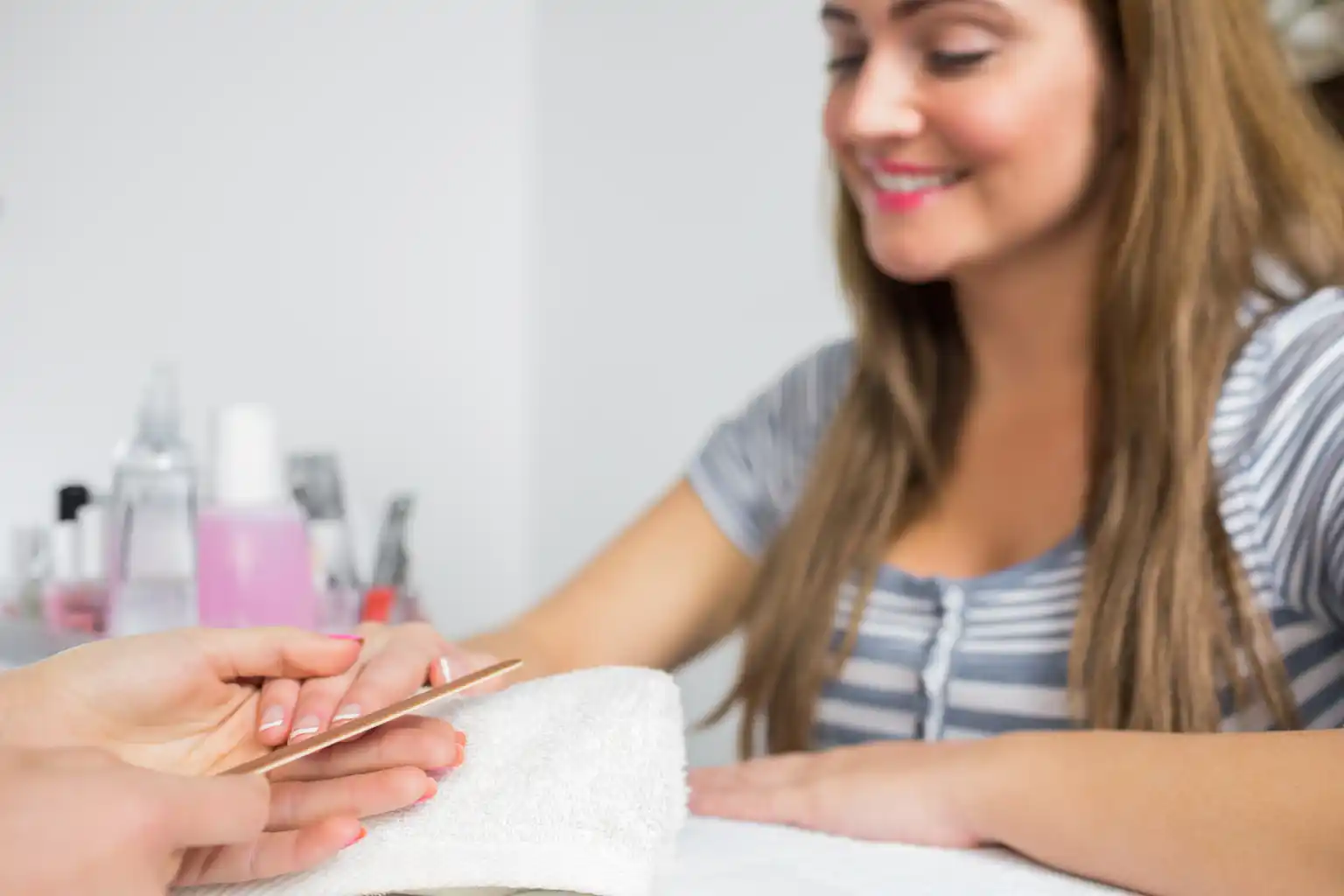
At Sun Aura Nail Spa, we prioritize the customer experience and want our clients to have a truly relaxing and comfortable manicure experience.
Please inform the technician immediately if the nail file feels too rough, the electric file feels too hot, the skin around your nails is sensitive, or any product causes unusual burning, itching, or discomfort. Moving your hand without explaining the problem can make the service more difficult and may not help the technician understand what you are feeling.
Try saying, “This area is a little sensitive. Could you use a little less pressure?”
Discomfort can sometimes stem from pre-existing sensitivity, damaged nails, thin nails, irritated cuticles, or recent trauma. The technician cannot feel every sensation you are experiencing, so speaking up provides important information. If you notice swelling, open wounds, unusual discoloration, discharge, or signs of infection, the cosmetic procedure may need to be postponed until the area is examined by an appropriate healthcare professional.
5. “I Use My Hands All Day”
Your job, hobbies, and home routine should influence your nail choices.
A dramatic long set may look beautiful but become frustrating if you type throughout the day, care for a baby, work in healthcare, play an instrument, garden, clean frequently, or handle equipment. On the other hand, someone preparing for a special event may be comfortable choosing extra length or detailed embellishments for a limited period.
Tell your technician what your normal week looks like. That information can help guide decisions about nail length, shape, product type, thickness, embellishment placement, and maintenance schedule. A good manicure should fit more than your outfit. It should also fit your life.
6. “Here’s the Look I’m Hoping For”
To help the technician understand your desired nail style, bring a small collection of your favorite nail designs. You might like the shape in one picture, the color in another, and the placement of the embellishments in a third. Point out these differences instead of assuming one picture represents the entire idea.
Before starting the service, discuss:
- Shape and length
- Base color
- Sheer or opaque coverage
- Glossy, matte, metallic, glitter, or cat-eye finish
- Accent nails
- French tip thickness
- Placement of rhinestones, charms, or embellishments
- Budget and available appointment time
For more details, read How to Explain Your Nail Design to a Nail Technician.
7. “I’m Not Completely Happy With This Yet”
This might be the hardest thing to say, but it is often the most important. You do not need to wait until you get home to decide that something is not right. If the length, shape, color, shine, or placement of the design does not feel right, mention it while you are still at the salon.
Be specific instead of just saying, “I don’t like it.” For example: “I like the overall design, but the French tip on this nail looks thicker than the others,” or, “The shape is almost right, but I’d like the corners softer.” Clear feedback is easier to act on and keeps the conversation constructive. Small adjustments are also often easier before the service is complete.
Frequently Asked Questions
Can I request a change from the nail technician?
Yes. Giving your feedback throughout the nail treatment helps ensure you are happy with the final result.
Should I bring a reference photo?
Yes. Photos help your nail technician understand the style, color, or design you like.
What if I feel uncomfortable?
Please inform the technician immediately so they can adjust the pressure or technique.
What services does Sun Aura Nail Spa offer?
We offer manicures, pedicures, nail extensions, and custom nail designs in Huntsville.
Do I need to make an appointment at Sun Aura Nail Spa?
Walk-ins are welcome, but we recommend booking in advance to secure your preferred time slot.